What the evidence actually says about adaptogens — minus the hype
They’re in every wellness aisle, promising calm, focus and resilience. We read past the marketing to see what the actual research supports — and where it goes quiet.

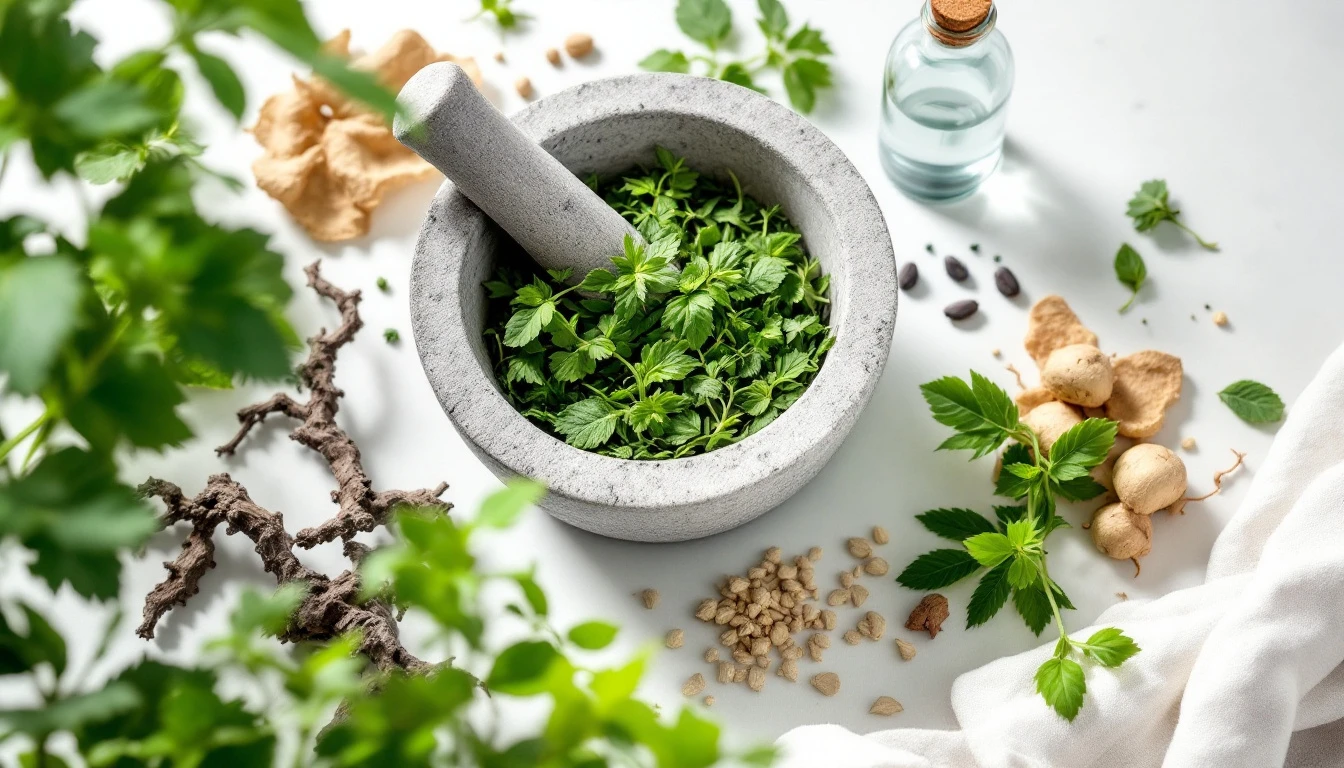
“Adaptogen” has become one of wellness’s favourite words. The promise is appealing and tidy: a class of herbs that help your body “adapt” to stress, dialling you up when you’re flagging and down when you’re wired. It’s a lovely story. The honest version is more interesting, and more nuanced, than the label on the jar.
This isn’t medical advice, and it isn’t a sales pitch. It’s an attempt to read past the marketing and look at what the research on these herbs — ashwagandha, rhodiola, holy basil and the rest — actually shows.
Where the evidence is encouraging
For a few of the best-studied adaptogens, there is a genuine, if modest, body of research. Several small-to-mid-sized trials suggest some may help with perceived stress and sleep quality. The effects in these studies tend to be real but moderate — helpful for some people, not transformative for everyone.
“The truth about adaptogens is less exciting than the marketing and more interesting than the skepticism.”
Where it goes quiet
The honest caveats matter. Many studies are small, short, or industry-funded. Quality and dosing vary wildly between products, so two bottles of “the same” herb can behave very differently. And “natural” does not mean “harmless” — herbs can interact with medication and aren’t right for everyone, particularly during pregnancy or alongside existing conditions.
- Read the studies, not the slogans. “Clinically studied” is only as good as the study behind it.
- Dose and quality vary. A standardised extract from a reputable maker is not the same as a cheap powder.
- Talk to a professional. Especially if you take medication, are pregnant, or have a health condition.
So: are adaptogens magic? No. Are they worthless? Also no. For many people they may be a low-stakes addition to the genuinely proven basics — sleep, movement, food, stress — rather than a substitute for them. The evidence is real, modest, and still being written. That’s the unglamorous truth, and it’s worth more than the hype.